Binh Thuan Sunset Resort
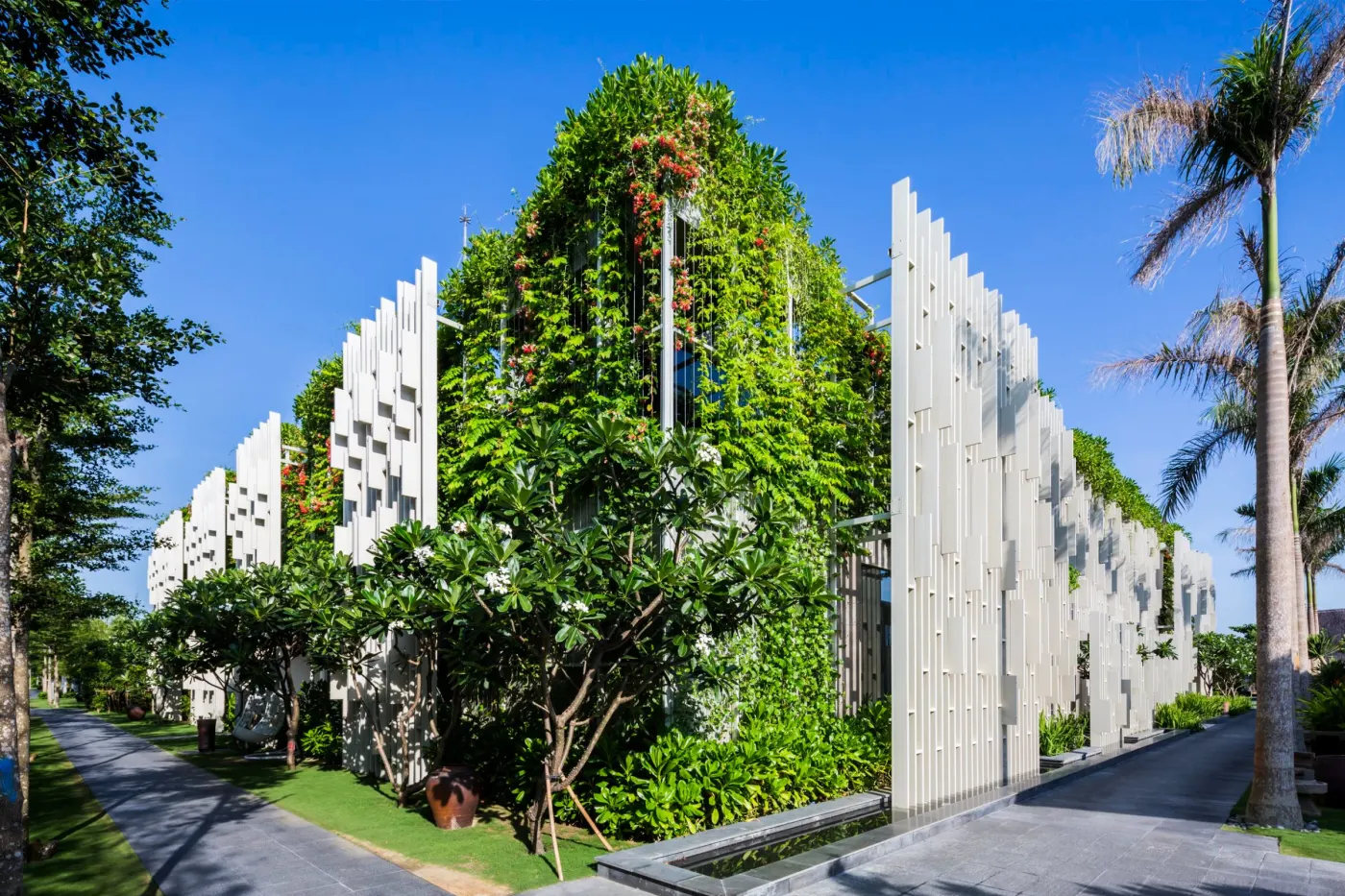
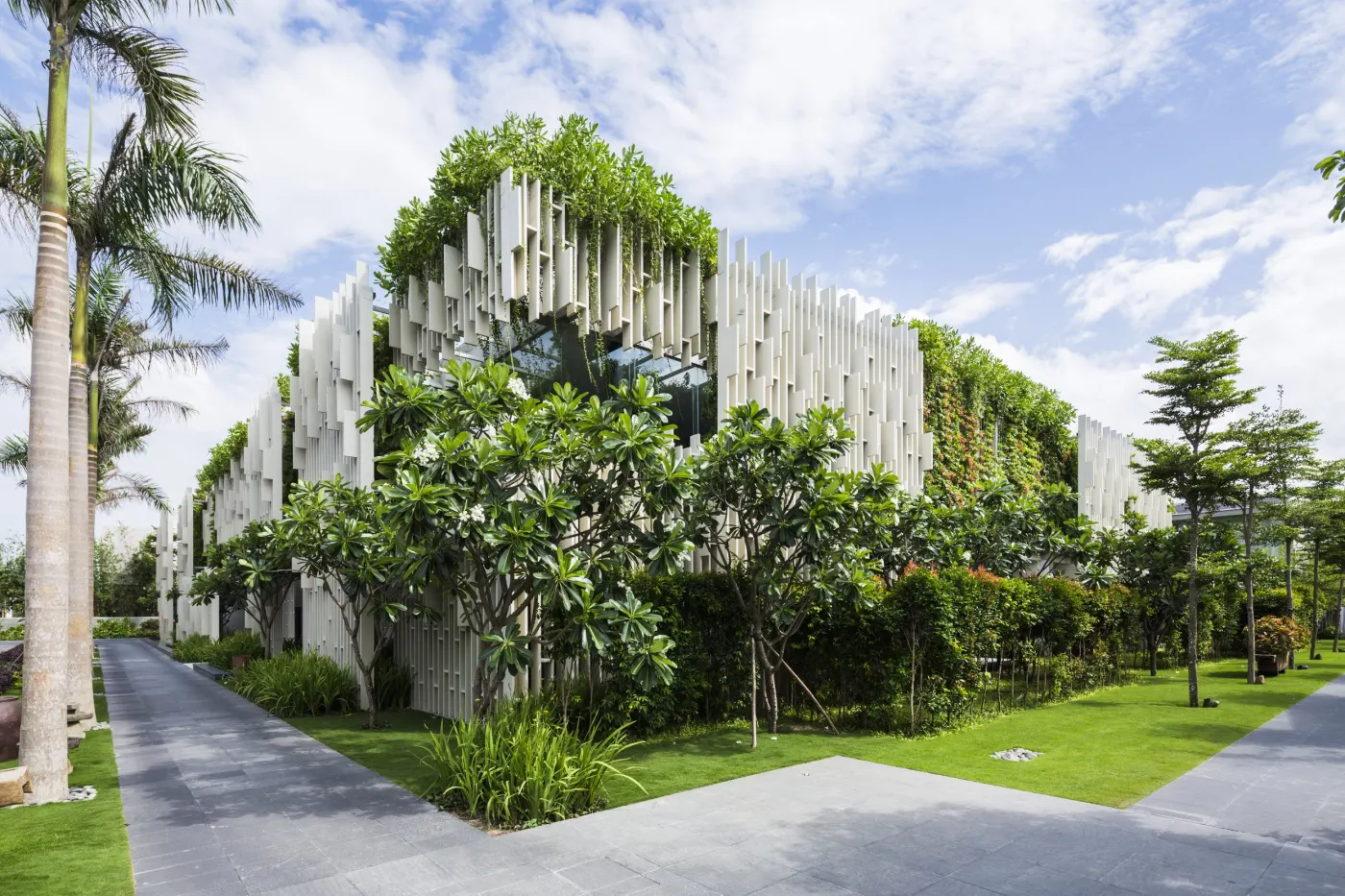
Located in Da Nang, Vietnam (2021), Binh Thuan Sunset Resort features passive tropical climate engineering, perforated brick lattice screens, and lush courtyard water features across 2375 m².
Architectural Concept & Spatial Vision
Located in Da Nang, Vietnam, Binh Thuan Sunset Resort represents TSL Architecture Studio's commitment to creating architectural forms that exist in perfect synergy with their natural micro-climate. Built across a footprint of 2375 m² in 2021, the project explores the interplay between solid structure and porous boundaries, allowing the building to breathe freely with prevailing breezes while offering secluded privacy for inhabitants.
Passive Climate Engineering & Materiality
Central to the architectural strategy is a passive climate system designed to mitigate tropical heat without heavy reliance on artificial air conditioning:
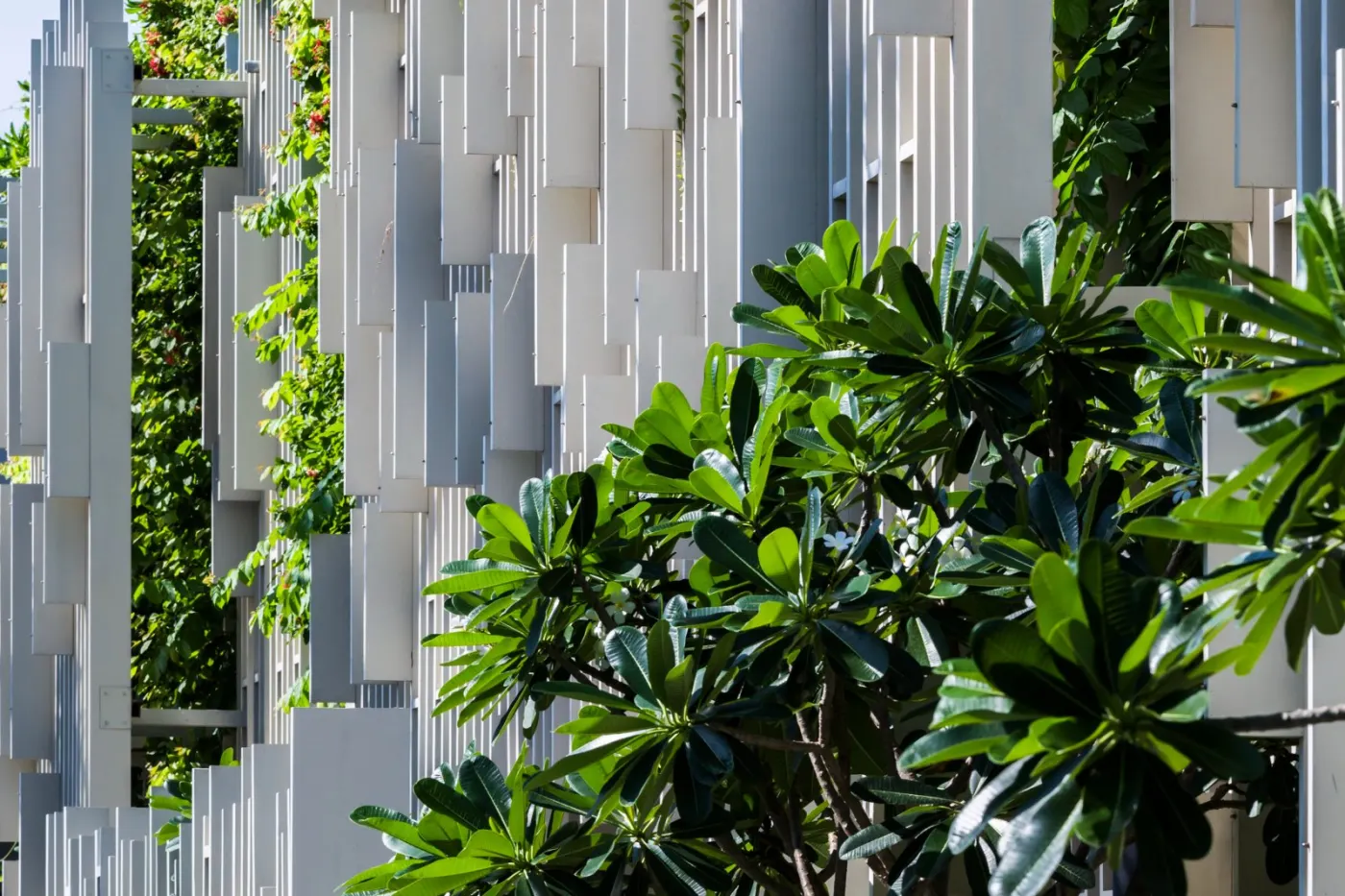
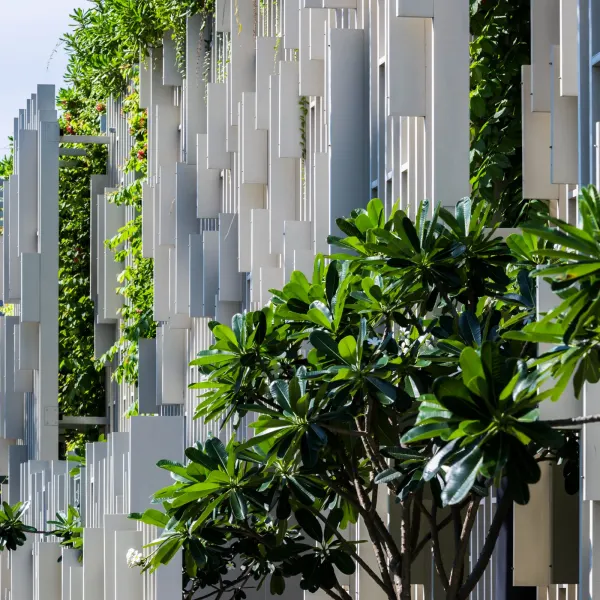
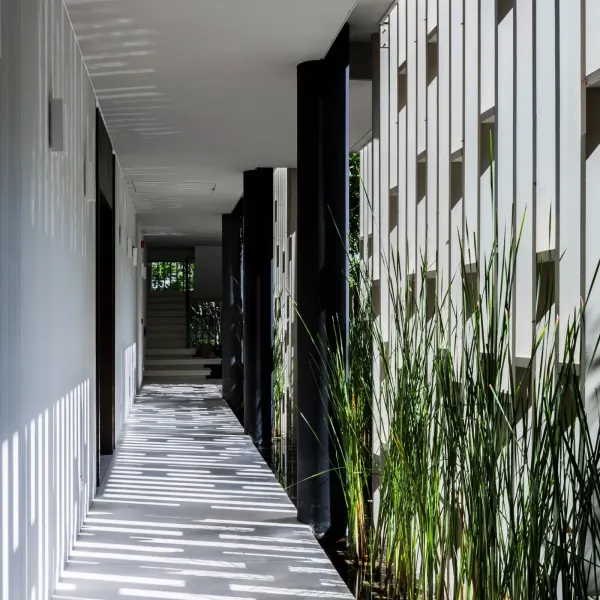
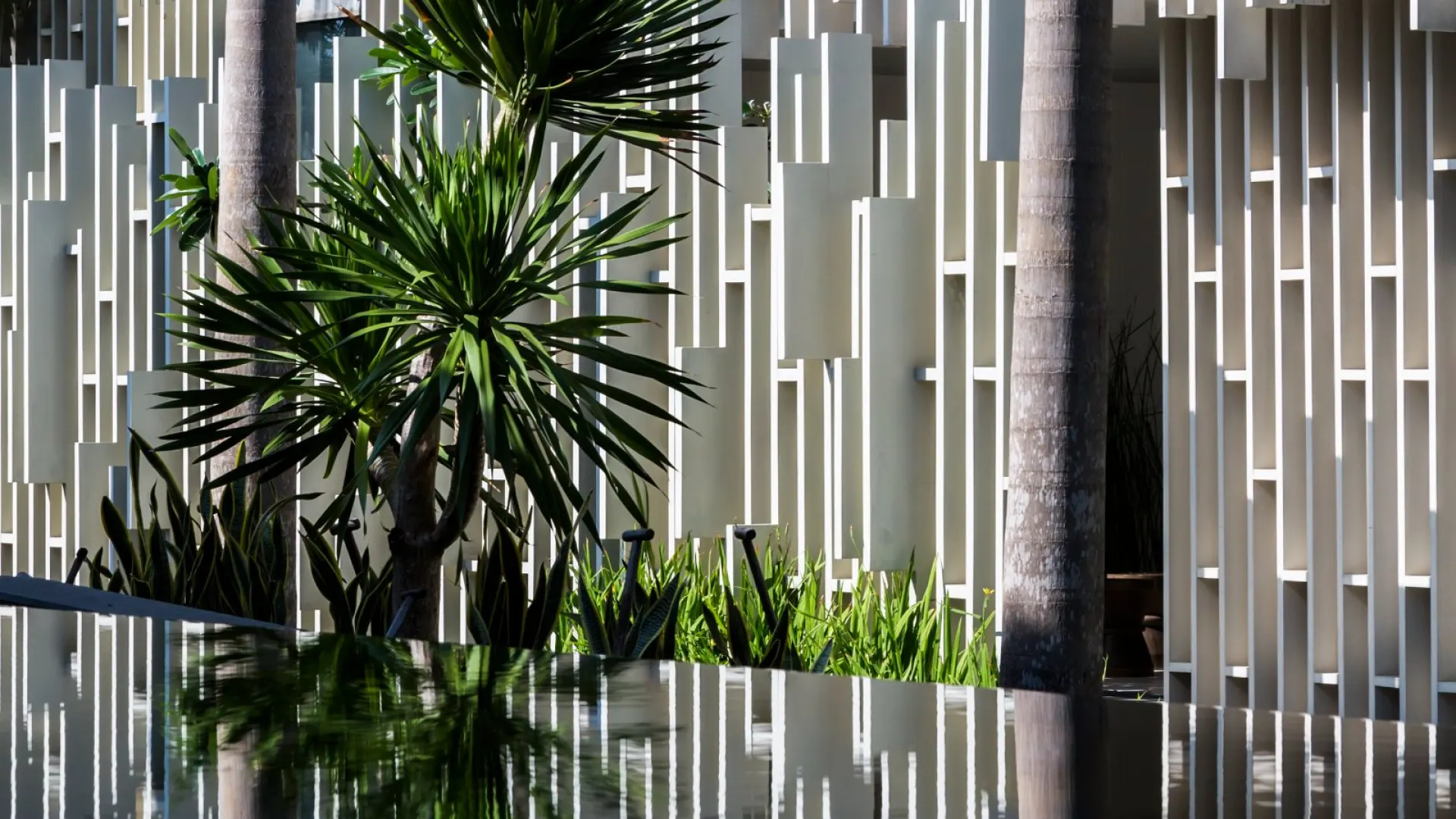
- Double-Skin Perforated Clay Lattice: Custom-fired local terracotta bricks filter intense direct sunlight into gentle ambient illumination while inducing natural stack-effect ventilation throughout the living quarters.
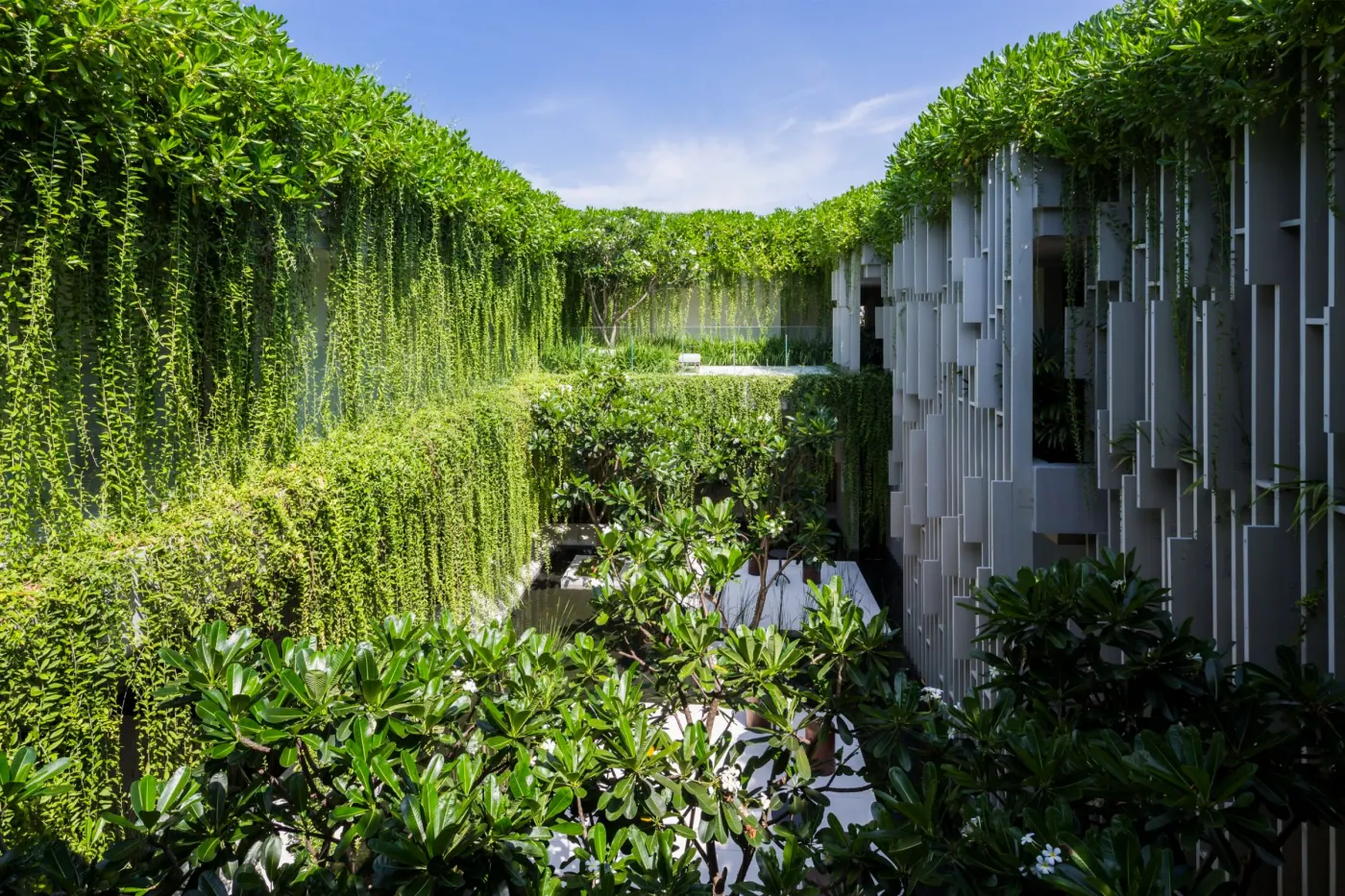
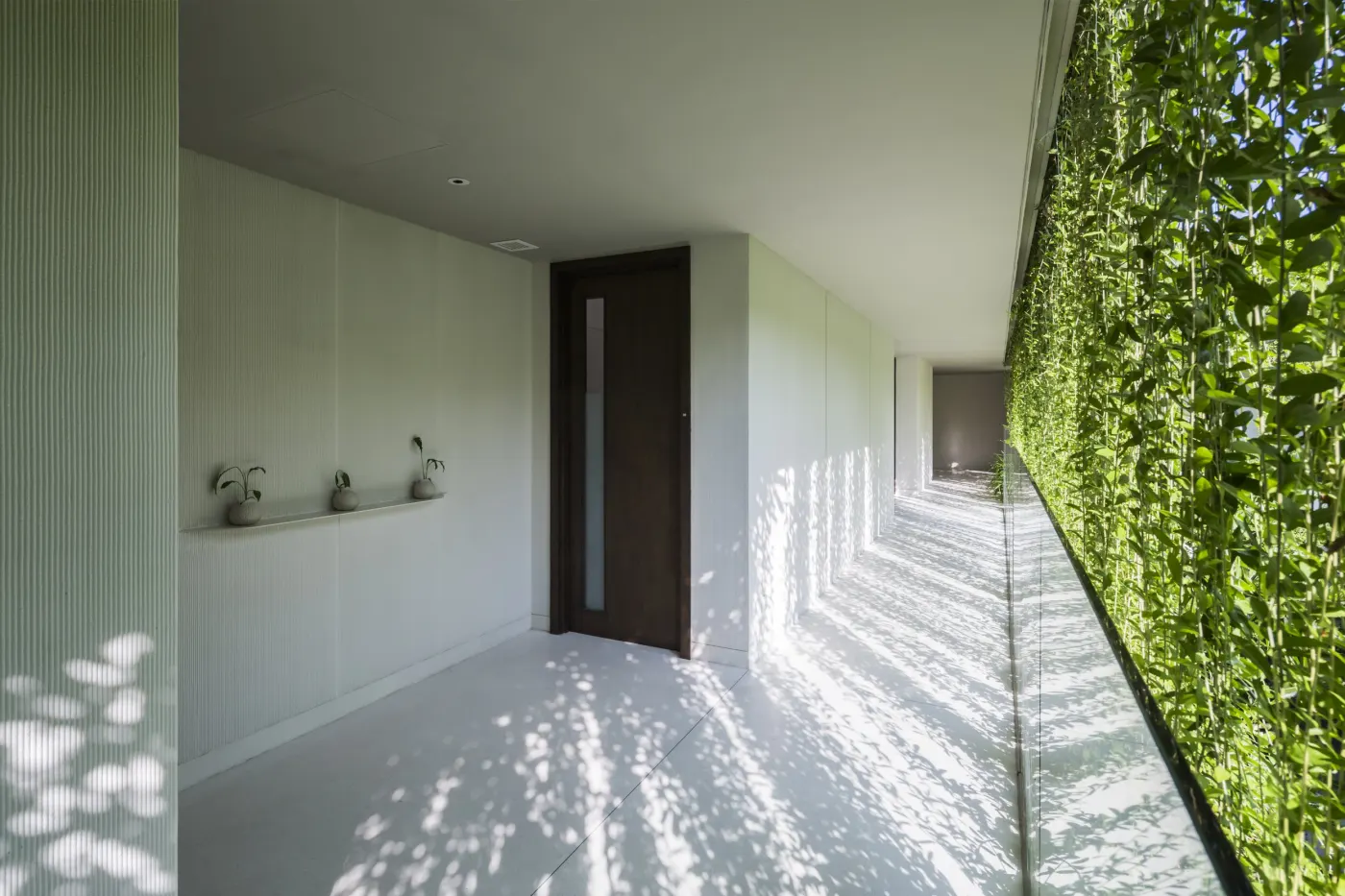
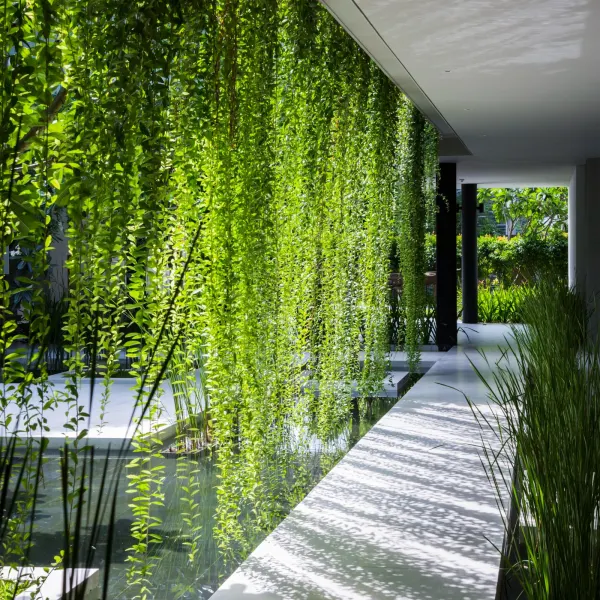
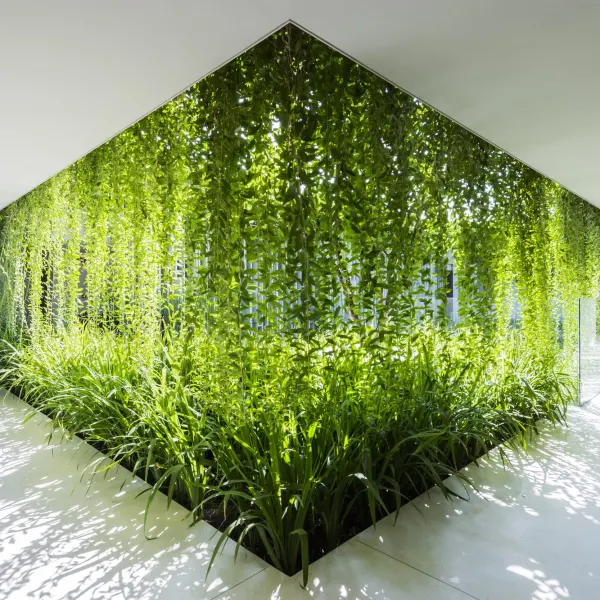
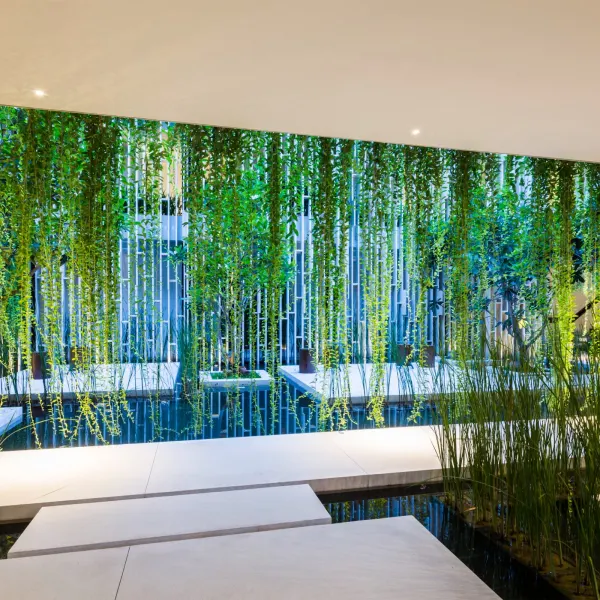
- Integrated Vertical Hanging Gardens: Lush foliage of native ferns, philodendrons, and climbing vines cover outer structural columns, filtering airborne particulates and evaporatively cooling incoming breezes.
- Acoustic Water Courtyards: Central reflecting pools capture rainwater runoff, absorbing excess ambient heat and serving as serene visual focal points visible from every room.
"Architecture should not dominate nature; it should act as an open canvas through which light, wind, and vegetation flow seamlessly." — TSL Studio Principal Architect
Spatial Journey & Craftsmanship
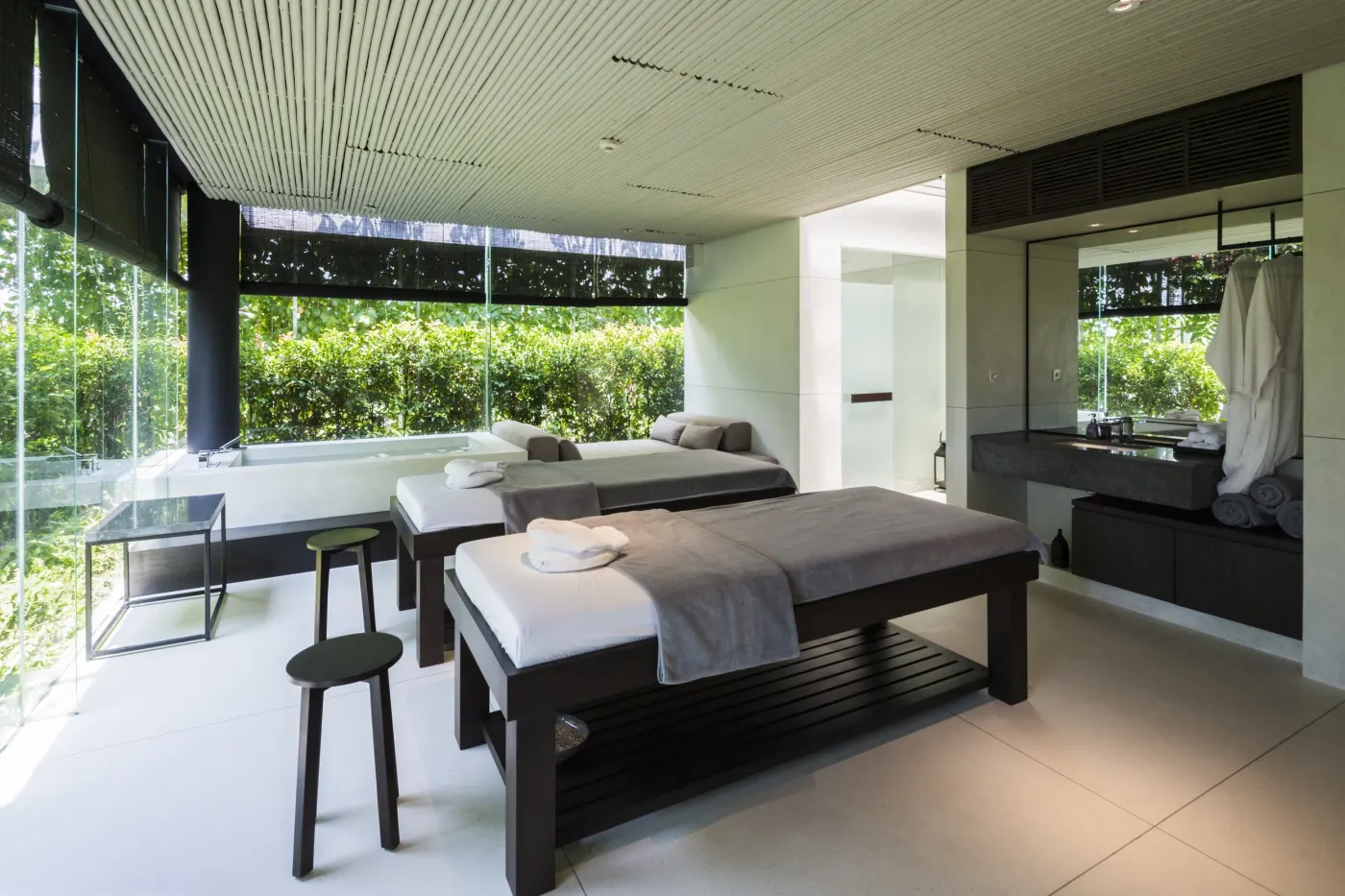
The interior layout is organized around a series of interconnected open-air courtyards and shaded verandas. Tactile materials—including local basalt stone, polished terrazzo floors, untreated teak timber, and hand-woven bamboo ceilings—create an atmosphere of quiet luxury and timeless calm. Every spatial detail was handcrafted by regional artisans, celebrating local material heritage alongside contemporary spatial minimalism.